
Marine Shackle Pin Type and Size Matching for Repair RFQs is a practical sourcing guide for fishing boat repair shops, marine hardware distributors, port-side stores, and small shipyards. It focuses on RFQ preparation, replacement matching, material selection, and mixed-order planning for CIDMEN export customers.
Practical Summary
For rigging replacement, anchor chain connection, mooring line accessories, and fish port repair counter matching, buyers should source marine shackles and shackle pins by application, vessel size, material, finish, installation position, corrosion exposure, replacement cycle, and compatibility with related parts. A clear RFQ should include product names, sizes, material or coating, quantity, photos or drawings, vessel use, packaging needs, and whether the order will be consolidated with other CIDMEN marine hardware categories.
Related CIDMEN Product Categories
Fishing boats across Southeast Asia operate in demanding coastal and island environments. Buyers in Indonesia, Malaysia, Singapore, Vietnam, Thailand, the Philippines, and nearby island markets often deal with salt water, humidity, rain, sun, deck impact, fish handling, and repeated maintenance. For buyers, the practical question is not only which item is cheapest. The stronger question is which set of parts will keep the boat working with fewer delays.
This guide is written for buyers sourcing marine shackles and shackle pins for rigging replacement, anchor chain connection, mooring line accessories, and fish port repair counter matching. It is especially relevant to distributors, wholesale buyers, fish port supply stores, shipyard repair teams, and purchasing staff who need practical replacement parts rather than general product descriptions. It explains how to build a clearer RFQ, reduce mismatched parts, and plan mixed orders with related marine hardware.
Why This Product Category Matters
Marine shackles and shackle pins may look like a small part of a fishing boat, but it often affects daily operation. A missing shackle, wrong fastener, unsuitable light, or poorly matched deck fitting can delay repair work. In fish port supply, the buyer may not have time for long technical back-and-forth. The repair team needs parts that fit, resist corrosion reasonably well, and can be supplied in useful quantities.
For Southeast Asia buyers, the most useful sourcing method is to think in systems. A single part normally connects with other parts: fasteners, brackets, chains, cables, hoses, deck fittings, or electrical accessories. When buyers prepare the RFQ as a complete repair list, the supplier can check compatibility more effectively.
Regional Supply Planning Across Southeast Asia
Fishing vessel repair demand can vary between Indonesian island supply routes, Malaysian and Thai coastal fleets, Vietnamese repair yards, Singapore trading and transshipment buyers, and Philippine fish port distributors. Buyers may serve different boat sizes, repair habits, port conditions, and stock cycles, so marine shackles and shackle pins orders should be planned around real installation needs instead of only a generic product name.
For regional sourcing, prepare the RFQ with the destination market, vessel application, material or coating preference, size details, packaging needs, and any related parts that should ship together. This helps suppliers quote a practical mixed order for Southeast Asia marine repair and distribution.
Typical Items to Include
Common items in this buying category include:
- D shackles
- bow shackles
- screw pins
- bolt-type pins
- swivels
- wire rope thimbles
The exact list depends on the vessel type and operating area. A small municipal fishing boat, a repair shop serving mixed local customers, and a distributor supplying several island fleets may all need different combinations.
Product-Specific Matching Notes
For marine shackles and shackle pins, buyers should describe the actual part and the working position, not only the product category name. Useful details include visible shape, mounting method, thread or connection type, hole pattern, diameter, length, thickness, voltage, pressure, rope or chain size, and the part it connects with. These details help avoid quoting a visually similar item that cannot fit the repair job.
Common mismatch risks include wrong size, unsuitable finish, unclear material grade, incompatible matching hardware, and packaging that mixes similar-looking sizes. If the old part is available, send front, side, close-up, and installed-position photos with approximate measurements. If the part is safety-related, load-bearing, pressure-related, or electrical, buyers should confirm drawings, standards, ratings, or inspection needs before ordering.
Photo Checklist for Shackle Pin Matching
For faster shackle and pin matching, buyers should send clear photos with measurements whenever possible:
- Main product photo showing marine shackles and shackle pins clearly.
- Detail photo showing material finish, connection point, thread, fastener head, fitting shape, label, or sealing area.
- Application photo or simple diagram showing where the part is used on a fishing boat, repair counter, fish port, or small shipyard.
- Packing or mixed-order photo when the article discusses distributor stock or consolidated RFQs.
Suggested alt text should name the product, material or application, and buyer scenario, such as “marine shackles and shackle pins for Southeast Asia fishing boat repair RFQ”. Do not assume certifications, test results, or exact standards from appearance only; confirm those details separately when they matter for the order.
Material and Finish Considerations
Tropical marine use makes material selection important. Stainless steel is often requested for exposed fittings, fasteners, hinges, latches, and visible deck accessories. Galvanized steel can be practical for many chains, shackles, utility brackets, and replaceable heavy-use items. Coated or painted parts may also be used when the buyer has a defined maintenance cycle.
Buyers should avoid using material names too loosely. If stainless steel is required, confirm whether the RFQ needs 304, 316, or another grade. If galvanized hardware is requested, confirm whether hot-dip galvanizing is required and whether the part will face abrasion. If the part is safety-related or load-bearing, dimensions and working application must be clear.
Compatibility Questions Before Quotation
A good quotation depends on clear input. Before sending an RFQ to a marine hardware supplier, buyers should check:
- Vessel type and approximate size
- Where the part will be installed
- Old part photos or drawings
- Required size, thickness, diameter, or length
- Material and finish preference
- Quantity per item
- Matching fasteners or accessories
- Whether the part connects with chain, rope, cable, hose, pipe, or deck structure
- Packaging, labeling, and shipment requirements
- Whether inspection documents are needed
Even when the buyer does not know every specification, photos and application details can help narrow the options.
RFQ Example for Southeast Asia Buyers
A clear RFQ might say:
“Please quote marine shackles and shackle pins for Southeast Asia fishing boat repair stock. Main application: rigging replacement, anchor chain connection, mooring line accessories, and fish port repair counter matching. Destination market may include Indonesia, Malaysia, Singapore, Vietnam, Thailand, or the Philippines depending on customer orders. Include available sizes, material options, finish, packing details, MOQ, lead time, and whether the items can be shipped together with fasteners and related marine hardware.”
This is more useful than a short request such as “send price for marine hardware.” The clearer version helps the supplier understand the buyer’s business scenario and recommend a practical product mix.
Distributor Stock Planning
Marine hardware distributors, wholesale buyers, and fish port supply stores often serve many small customers. Stock planning should focus on fast-moving, easy-to-match items before expanding into slow or highly specialized products.
Useful stock planning questions include:
- Which boat sizes are most common among local customers?
- Which parts are replaced most often after corrosion, impact, or wear?
- Which sizes can serve multiple repair scenarios?
- Which items should be stocked as sets rather than single units?
- Which parts require stainless steel, and which can be galvanized?
- Which items should be bundled with fasteners?
For example, a distributor may sell one deck fitting but also need matching bolts, washers, shackles, or sealant-related accessories. Consolidated sourcing can reduce missing-item problems.
Mixed Orders Can Reduce Procurement Friction
Many Southeast Asia fishing boat repair orders are mixed. A buyer may need marine shackles and shackle pins, marine fasteners, rigging accessories, mooring hardware, anchoring parts, pumps, valves, and lighting in the same purchase cycle. If each category is sourced from a different supplier, the buyer spends more time checking compatibility, shipping, and documentation.
CIDMEN supports export buyers with marine hardware, outfitting fittings, fasteners, rigging accessories, mooring equipment, anchoring equipment, pumps and valves, marine lighting, and related ship supplies. This product scope is useful for buyers who need a practical mixed order rather than a single isolated item.
CIDMEN can review mixed RFQ lists by photos, drawings, application, material, size and destination market. This is useful when buyers need to combine small but related items, such as fasteners with deck fittings, shackles with chain accessories, or lighting with waterproof connectors. The goal is to reduce avoidable mismatch before quotation and before shipment.
Quality Checks Before Shipment
Before confirming shipment, buyers should review:
- Product name and size
- Material and finish
- Quantity and packaging
- Photos of representative items if needed
- Compatibility with related parts
- Marking or label requirements
- Destination and shipping terms
For repair stock, consistency matters. A distributor should avoid receiving mixed sizes or unclear packaging that makes resale difficult. A clean packing list and clear item naming can save time when goods arrive.
Practical Buying Recommendation
For Southeast Asia fishing boat repair and marine hardware distribution, buy marine shackles and shackle pins as part of a working repair system. Confirm the application, match related parts, specify material clearly, and consolidate items where it reduces procurement friction. The goal is not only to buy parts. The goal is to keep boats operating and help local repair buyers complete work faster.
Clear Next Step for Buyers
To move from reading to quotation, prepare a short RFQ package instead of only asking for a unit price. Send CIDMEN the old part photos, size notes, material or finish preference, quantity, vessel use, destination port, and any related parts that should ship together. If the buyer is not sure about the exact model, a photo-based matching request is a better first step than guessing a standard or size.
Woo Product Reference Images for RFQ Matching
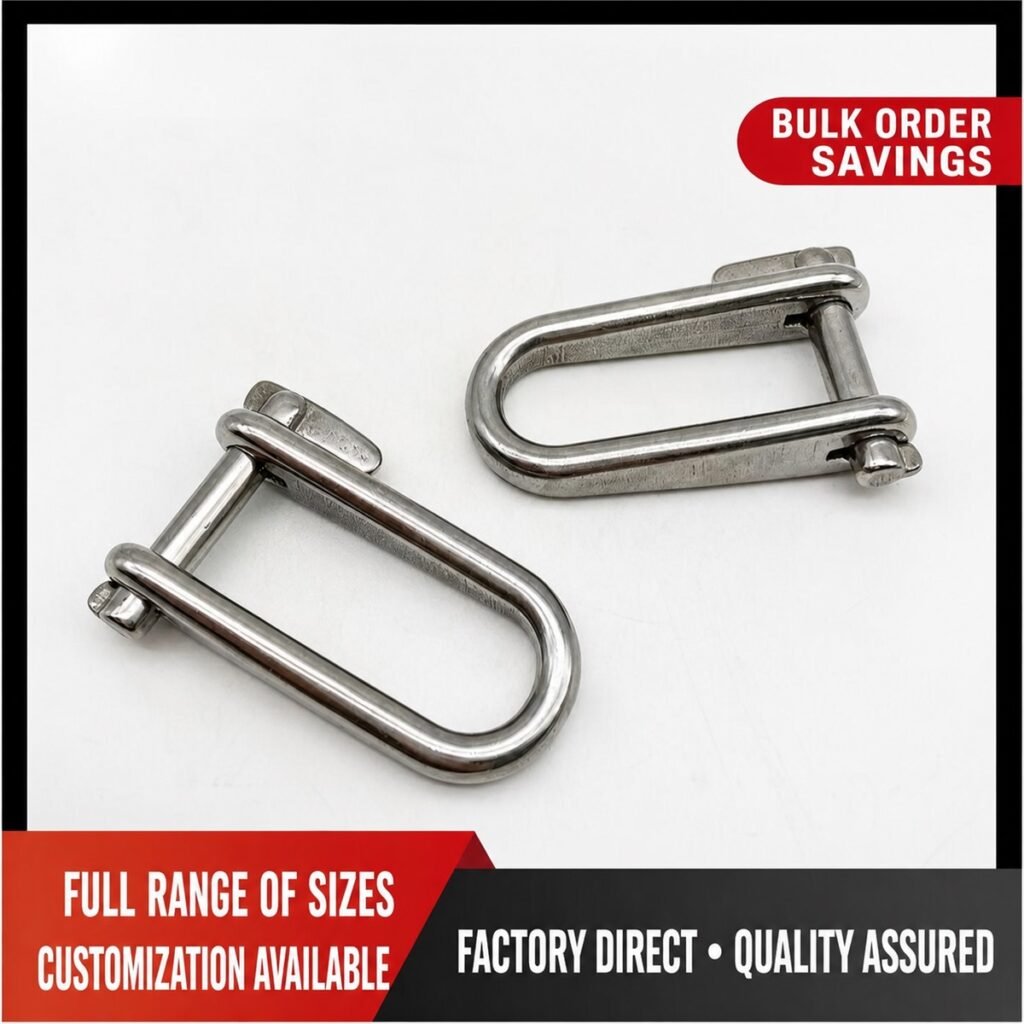
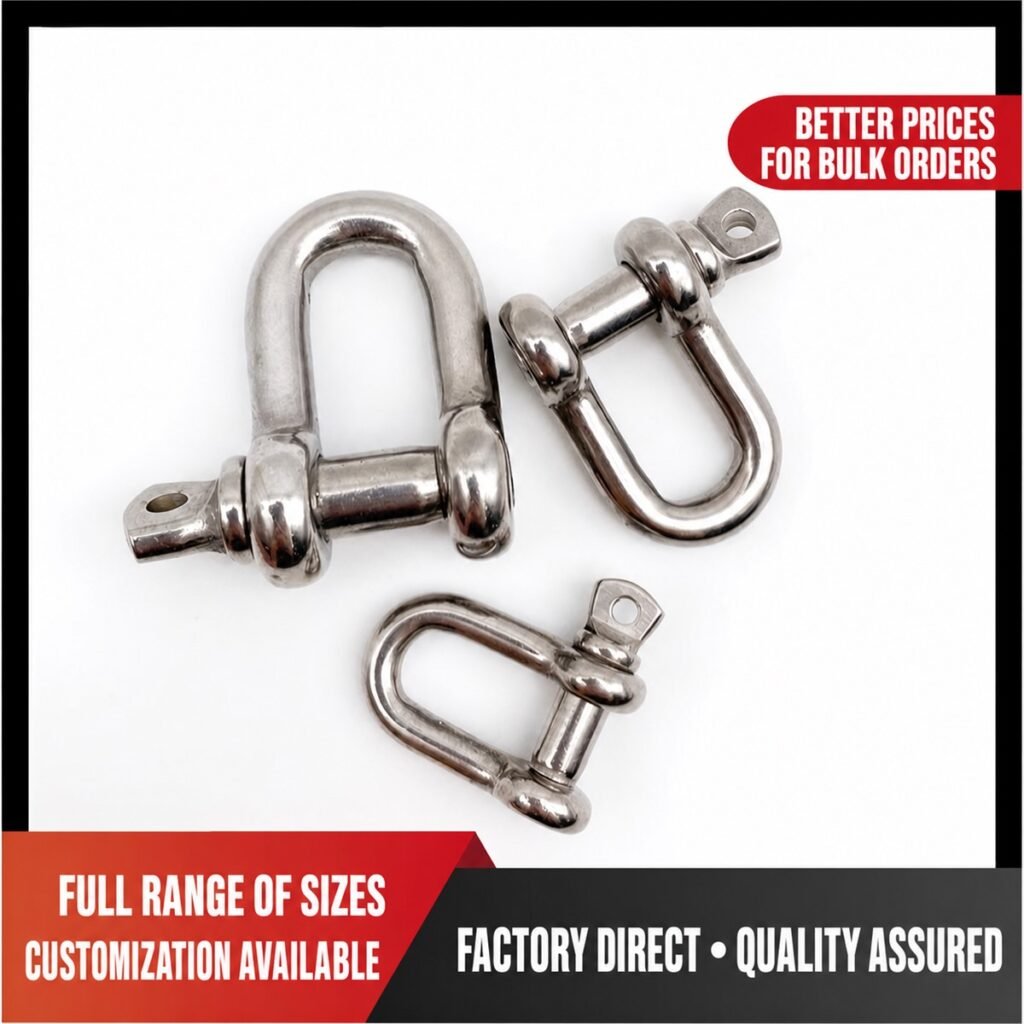
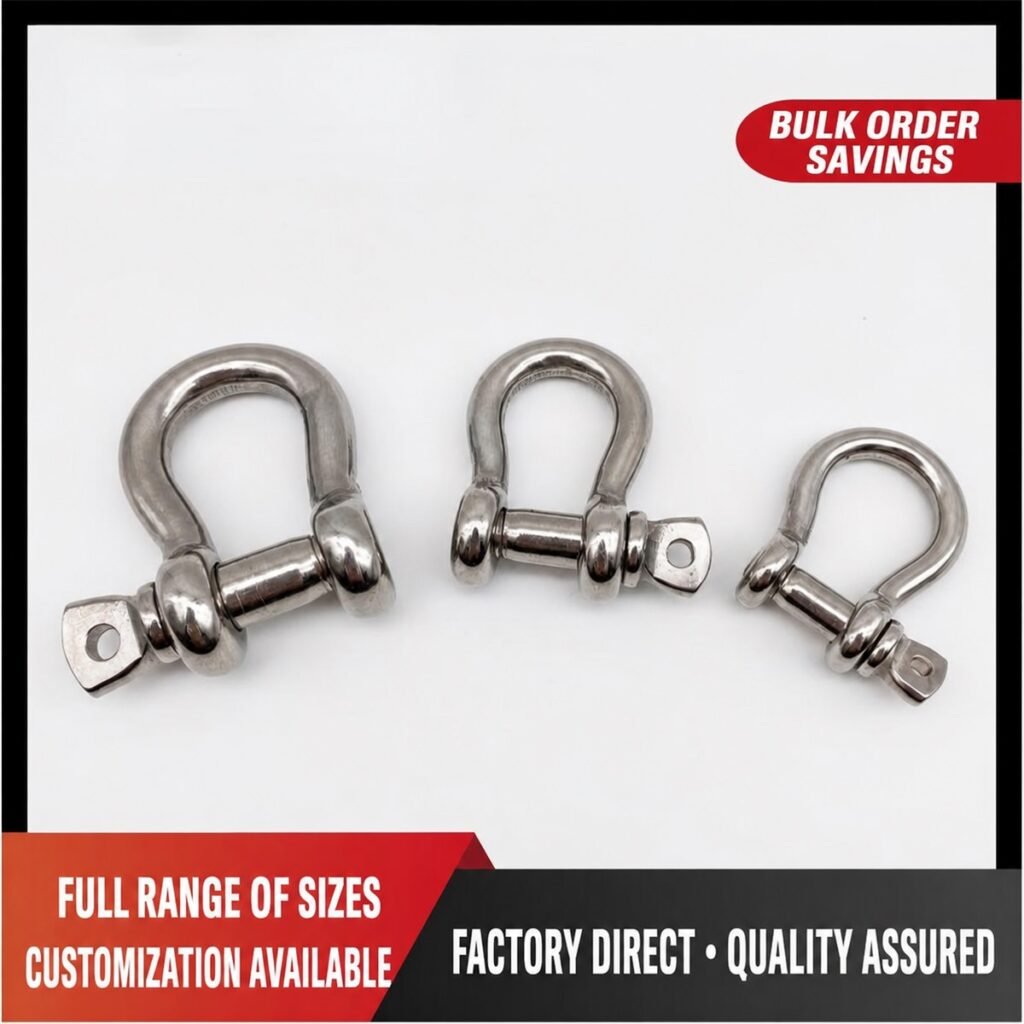
These reference images are taken from current CIDMEN WooCommerce shackle products. Buyers should still confirm shackle type, pin type, size, material, finish, quantity, and application photos before quotation.
Prepare a Clear RFQ
For faster quotation, send product names, photos or drawings, key dimensions, material preference, quantity, vessel application, destination, and any packaging or labeling needs.
Contact CIDMEN or use the Inquiry Basket to share your mixed marine hardware requirement.
FAQ
What information should I send when requesting a quotation?
Send product names, photos or drawings, size, material, finish, quantity, vessel application, destination, packaging needs, and whether the order includes other marine hardware categories.
What usually causes marine shackles and shackle pins mismatch in fishing boat repair orders?
Mismatch usually comes from incomplete size details, unclear material grade, missing photos, different local naming habits, or not checking the related part that connects with it. A clearer RFQ should include measurements, application photos, and matching hardware requirements.
Is stainless steel always better for tropical fishing boats?
No. Stainless steel can be useful for exposed fittings and fasteners, but galvanized hardware can be practical for many heavy-duty or replaceable items. The choice depends on application, exposure, wear, and budget.
Can different material types be combined in one mixed marine hardware order?
Yes, but buyers should separate item lines clearly and confirm packing requirements. Stainless, galvanized, rubber, painted, cast, and electrical items may need different protection, labeling, or carton separation during storage and shipment.
Can this sourcing approach apply outside the Philippines?
Yes. The same RFQ logic is useful for Indonesia, Malaysia, Singapore, Vietnam, Thailand, the Philippines, and nearby island markets. The article uses Southeast Asia as the main market frame rather than treating one country as the only target.
Can CIDMEN support mixed marine hardware orders?
Yes. CIDMEN can help buyers combine marine shackles and shackle pins, marine hardware, fasteners, rigging accessories, anchoring equipment, mooring equipment, pumps, valves, and lighting for export-oriented sourcing.
What if I do not know the exact size of the old part?
Send clear photos, approximate measurements, vessel details, and the installation location. A supplier can usually narrow the options or ask for the missing details.
What photo angles help CIDMEN match a replacement part?
Send one full product photo, one close-up of the connection or thread area, one side view showing thickness or profile, and one photo of the installed position if possible. Add a ruler or handwritten size note when exact drawings are not available.
Should distributors stock parts individually or as sets?
Both may be useful. Fast-moving items can be stocked individually, while items that must work together, such as fittings and matching fasteners, may be easier to sell as practical repair sets.
References and Related Reading
- CIDMEN Products: https://cidmen.com/products/
- CIDMEN Marine Hardware: https://cidmen.com/products/marine-hardware/
- CIDMEN Marine Fasteners: https://cidmen.com/products/marine-hardware/marine-fasteners/
- CIDMEN Rigging Accessories: https://cidmen.com/products/marine-hardware/rigging-accessories/
- CIDMEN Mooring Equipment: https://cidmen.com/products/marine-outfitting/mooring-equipment/
- CIDMEN Anchoring Equipment: https://cidmen.com/products/marine-outfitting/anchoring-equipment/
- CIDMEN Marine Pumps & Valves: https://cidmen.com/products/marine-pumps-valves/
- CIDMEN Marine Lighting: https://cidmen.com/products/marine-electrical-mechanical/marine-lighting/
Send a Marine Parts RFQ
Share product photos, drawings, material, quantity, and destination port. CIDMEN can match marine hardware, outfitting fittings, and spare parts for fishing boat repair and supply stores.